Garbage Disposal Installation & Garbage Disposal Repair
Professional installation of continuous-feed and batch-feed disposals with correct horsepower sizing, watertight flanges, and code-compliant drainage.
Schedule Diagnostic Assessment
Technicians evaluate motor continuity, clear seized flywheels, and stop under-sink leaks promptly.
877-773-7421Overview & Technical Scope
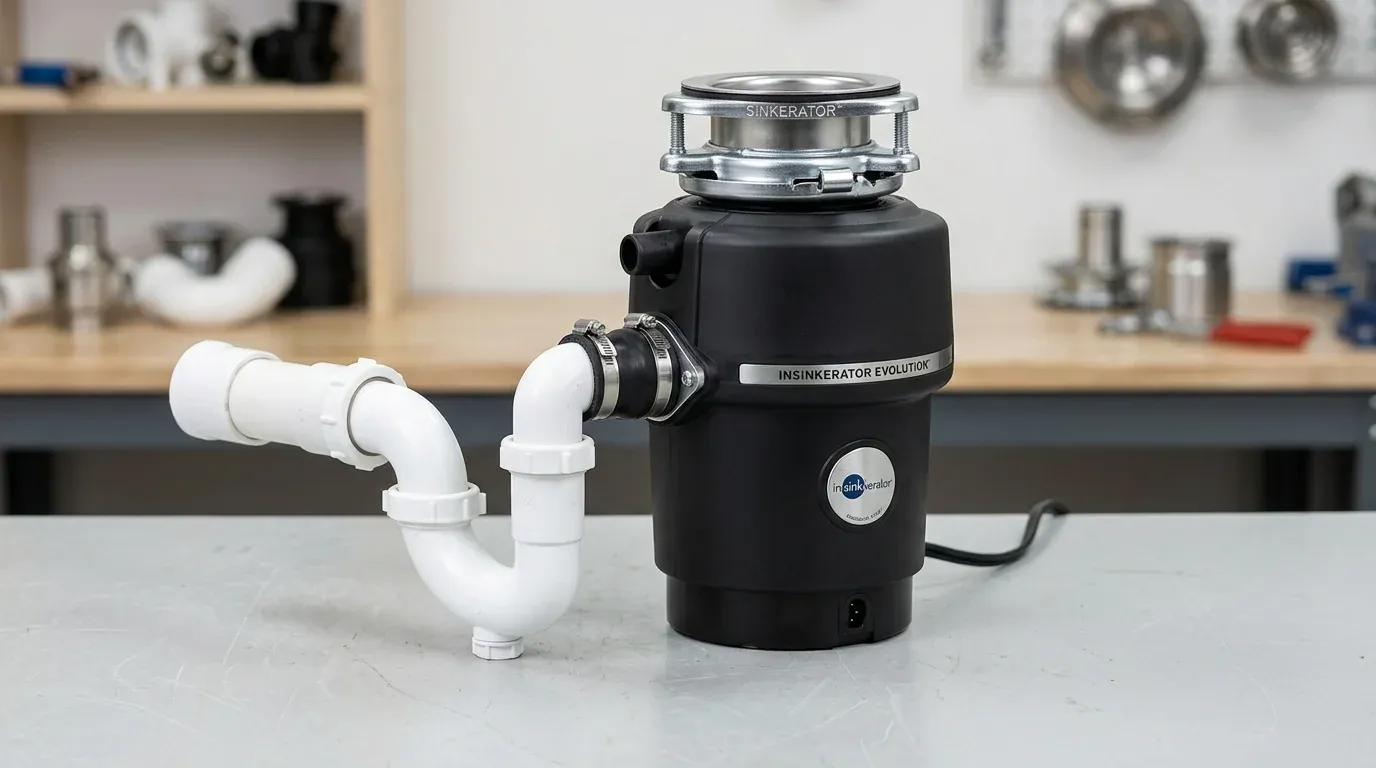
Upgrading an aged or burned-out garbage disposal requires precise mechanical alignment and solid sink basin mounting. We assist homeowners in selecting the ideal motor size, from compact half-horsepower units for small households to heavy-duty one-horsepower models featuring multi-stage stainless steel grinding technology. The installation process includes securing the sink flange with fresh plumber's putty, leveling mounting brackets, knocking out the dishwasher drain plug, and routing discharge pipes into the P-trap without tension. Every installation undergoes dynamic water pressure testing to ensure zero leaks beneath the sink.
Common Operational Symptoms
Mechanical fatigue and food waste buildup produce distinct physical warnings before a food waste disposer fails completely:
- Disposal housing has rusted through or cracked around the mounting collar
- Grinding motor lacks sufficient power for daily family kitchen cleanup
- Existing unit is older than 10-12 years and leaks through bottom vents
- Kitchen sink remodel requires upgrading to a quiet, multi-stage unit
Need Immediate Plumbing Help?
Avoid running water into a dead or leaking disposal unit. Call our team to speak directly with an on-call plumbing technician.
Speak With a Technician: 877-773-7421Step-by-Step Diagnostic & Service Protocol
Thorough evaluation eliminates guesswork and protects connected drain lines from excessive pressure:
- Assess sink basin material (stainless steel vs granite composite) for seal selection
- Check cabinet clearance, electrical box access, and drain line height
- Remove old mounting assembly and clean brittle putty from the sink rim
- Punch out the dishwasher knockout plug and secure the new mounting ring
Pricing & Service Considerations
Repair estimates reflect physical access under the sink, replacement hardware requirements, and the structural condition of existing discharge piping:
- Horsepower rating (1/3 HP, 1/2 HP, 3/4 HP, or 1 HP heavy-duty motor)
- Grinding technology (single-stage galvanized vs multi-stage stainless steel)
- P-trap and continuous waste piping modifications needed to align outlets
- Air switch countertop button addition versus standard wall switch wiring
Frequently Asked Questions About Garbage Disposal Installation & Replacement
What motor horsepower should a standard residential kitchen choose?
Half-horsepower motors handle everyday food scraps for couples and small families easily. Households preparing daily meals from scratch or grinding fibrous vegetable peelings benefit from 3/4-horsepower or 1-horsepower stainless steel grinding systems.
Why must the dishwasher knockout plug be removed during installation?
Connecting a dishwasher drain hose without punching out the plastic interior barrier leaves dishwashers unable to pump out water. Leaving the plug intact causes dishwashers to flood or display drainage fault codes.
How is the sink flange sealed against the kitchen basin?
Plumber's putty rolled into a uniform rope is pressed beneath the upper lip of the metal collar before clamping the mounting assembly below. Stainless steel or composite sinks require silicone sealant instead to prevent discoloration.
What distinguishes continuous-feed disposers from batch-feed models?
Continuous-feed models operate via a wall toggle switch or pneumatic air button while tap water runs freely. Batch-feed models only turn on when a dedicated magnetic stopper plug is inserted into the sink opening, preventing stray cutlery from falling inside.
Can a new disposal connect to existing sink drainage pipes?
Matching outlet heights determines whether existing tubular PVC pipes align properly. Larger replacement units often sit lower beneath the basin, requiring technicians to adjust the P-trap height so water drains downward by gravity.
How do stainless steel grind components compare to galvanized steel?
Stainless steel swivel lugs and shredder rings resist corrosion from acidic foods and moisture far longer than galvanized parts. Galvanized components gradually rust and dull after several years, leading to slower grinding and frequent jams.
Should a dedicated electrical circuit power the kitchen disposal?
Local electrical codes typically require disposals to operate on a 15-amp or 20-amp grounded circuit, often shared with the dishwasher. Direct hardwiring or a dedicated under-sink GFCI receptacle ensures safe code-compliant operation.
What happens if mounting ring bolts are tightened unevenly?
Uneven tension on the three-bolt mounting ring warps the upper flange gasket, causing slow perimeter water leaks beneath the sink. Technicians tighten each screw incrementally in a circle to maintain level compression against the basin.
Stop Cabinet Water Damage. Call for Garbage Disposal Installation & Replacement.
Speak directly with our plumbing dispatch team to confirm technician arrival windows and diagnostic details.