Kitchen Sink Drain Clearing & Garbage Disposal Repair
Eliminating stubborn food clogs, standing sink wastewater, and grease blockages downstream of the garbage disposal discharge pipe.
Schedule Diagnostic Assessment
Technicians evaluate motor continuity, clear seized flywheels, and stop under-sink leaks promptly.
877-773-7421Overview & Technical Scope
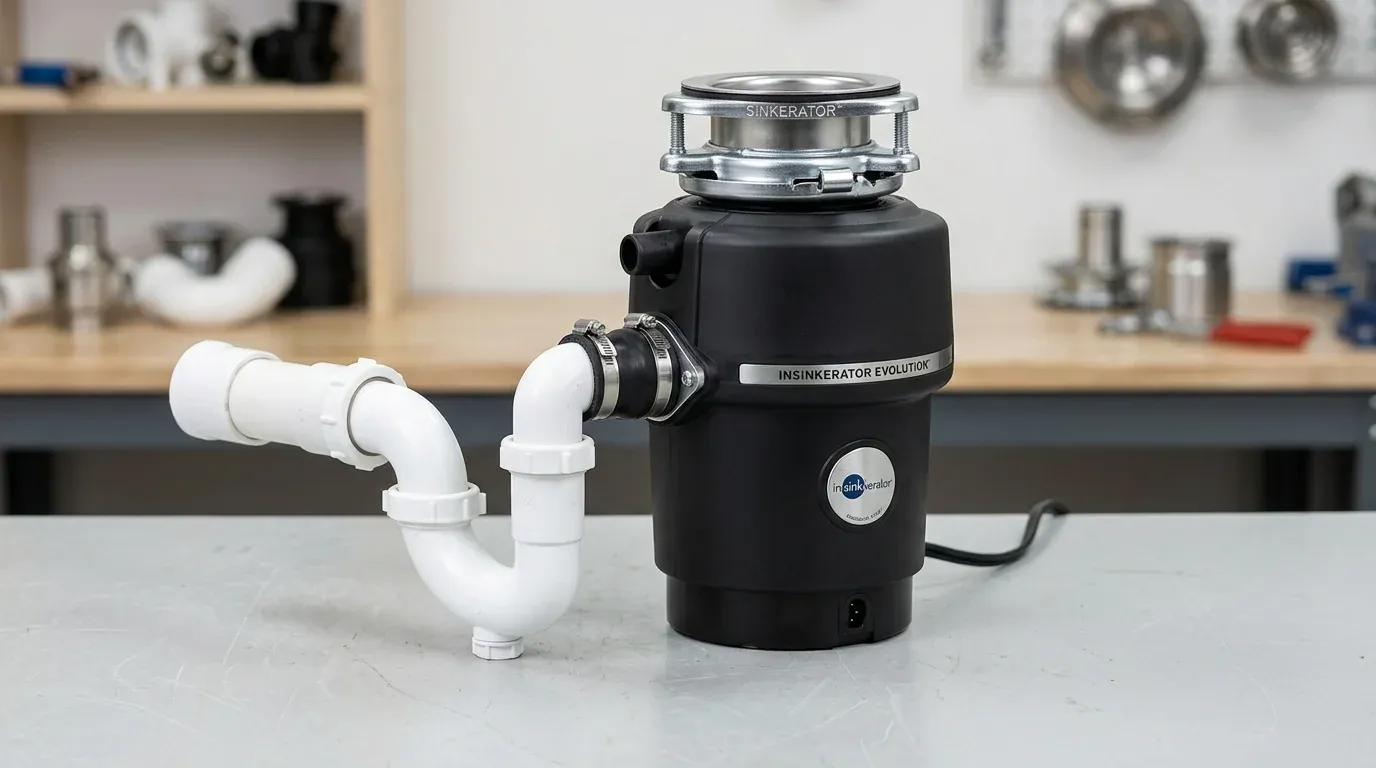
Sluggish kitchen sink drainage often indicates that pulverized food waste, cooking grease, and starchy residues have accumulated beyond the disposal outlet. When downstream branch lines clog, wastewater backs up through the disposal chamber and into adjacent sink bowls. We disassemble tubular P-traps, clean the continuous waste tee, and mechanically snake kitchen drain lines into the wall rough-in. This intensive clearing scours grease buildup off pipe interior walls, restoring rapid gravity drainage and preventing foul decomposition odors from rising back through your sink drain.
Common Operational Symptoms
Mechanical fatigue and food waste buildup produce distinct physical warnings before a food waste disposer fails completely:
- Water drains very slowly or stands in the sink basin after running the faucet
- Grinding food waste pushes murky water up into the opposite sink bowl
- Gurgling sounds bubble from the kitchen drain when the disposal operates
- Rotten food odors emanate continuously from the drain throat
Need Immediate Plumbing Help?
Avoid running water into a dead or leaking disposal unit. Call our team to speak directly with an on-call plumbing technician.
Speak With a Technician: 877-773-7421Step-by-Step Diagnostic & Service Protocol
Thorough evaluation eliminates guesswork and protects connected drain lines from excessive pressure:
- Test both sink bowls to determine whether blockage is in the disposal or main line
- Disassemble and inspect the tubular P-trap and continuous waste tee
- Mechanically snake the branch drain line past the sanitary wall tee
- Flush the drain line with high-volume water to verify unrestricted flow
Pricing & Service Considerations
Repair estimates reflect physical access under the sink, replacement hardware requirements, and the structural condition of existing discharge piping:
- Distance of the clog down the kitchen branch line toward the main stack
- Composition of the blockage (soft food slurry vs hardened grease and calcification)
- Condition of older galvanized drain pipes requiring gentle mechanical clearing
- Need for cleanout plug replacement or continuous waste pipe re-piping
Frequently Asked Questions About Kitchen Sink & Disposal Drain Clearing
Why does water back up into the disposal when the sink runs?
Downstream grease buildup, soap scum, or accumulated food pulp blocks the branch drain line past the P-trap. Water follows the path of least resistance, filling the disposal chamber and bubbling up through the sink strainer basket.
How do plumbers safely snake drains attached to garbage disposals?
Technicians disconnect the tubular P-trap and continuous waste tee to access the wall drain rough-in directly. Running a motorized drain snake straight into the pipe prevents cable friction from damaging the disposal interior.
Are chemical drain openers safe for kitchen disposals?
Caustic chemicals sit inside the disposal chamber, eating away at rubber splash guards, internal gaskets, and aluminum grind components. Standing caustic liquid also poses severe burn risks to technicians disassembling clogged plumbing pipes.
What causes foul odors to rise from the sink drain?
Decomposing food scraps stuck to the underside of the rubber splash guard or decaying slime inside the P-trap generate rancid smells. Thorough mechanical scouring and flushing clean water through the trap curve eliminates foul odors.
Why does grinding potato peels or pasta clog kitchen pipes?
Starchy foods swell into thick paste when mixed with water inside narrow drain pipes. The gooey mass sticks to pipe interiors and traps passing debris, forming a solid plug that stops gravity drainage completely.
How can you tell if the blockage is in the disposal or the wall pipe?
If both sink basins fill with standing water when only one faucet runs, the clog is located downstream in the main branch drain. If only the disposal bowl backs up while the adjacent basin drains normally, the issue sits inside the disposal elbow.
What role does the P-trap play in disposal drainage?
The curved P-trap holds a shallow water barrier that prevents sewer gases from entering your kitchen through the sink drain. It also catches dropped jewelry and dense foreign objects before they travel into buried building pipes.
How often should kitchen sink drain lines be cleaned?
Active home kitchens benefit from periodic hot water flushes and annual professional drain cleaning to strip away grease films. Regular drain maintenance keeps disposal discharge moving freely into the municipal sewer line.
Stop Cabinet Water Damage. Call for Kitchen Sink & Disposal Drain Clearing.
Speak directly with our plumbing dispatch team to confirm technician arrival windows and diagnostic details.